松壽園SHOJUENMatcha Journal

Journal

JOURNAL

Light under the shade, steam heat, particle size from the mill, etiquette in the tea room — matcha (tencha) holds layers that span field work and literature. We document Uji, Kyushu, and other origins with a curator's lens.
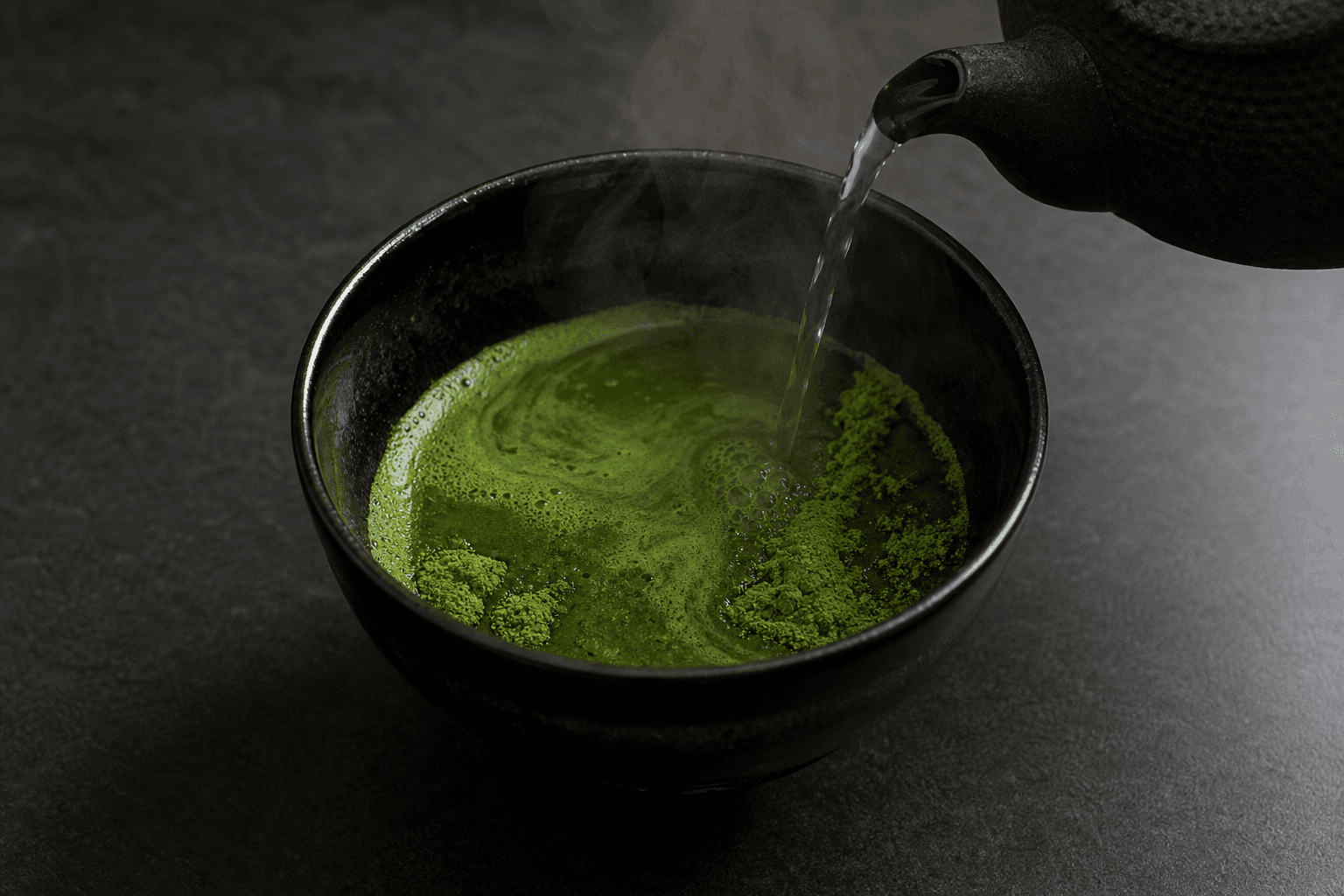
Hot water poured from an iron kettle onto matcha powder in a black tenmoku bowl, steam rising
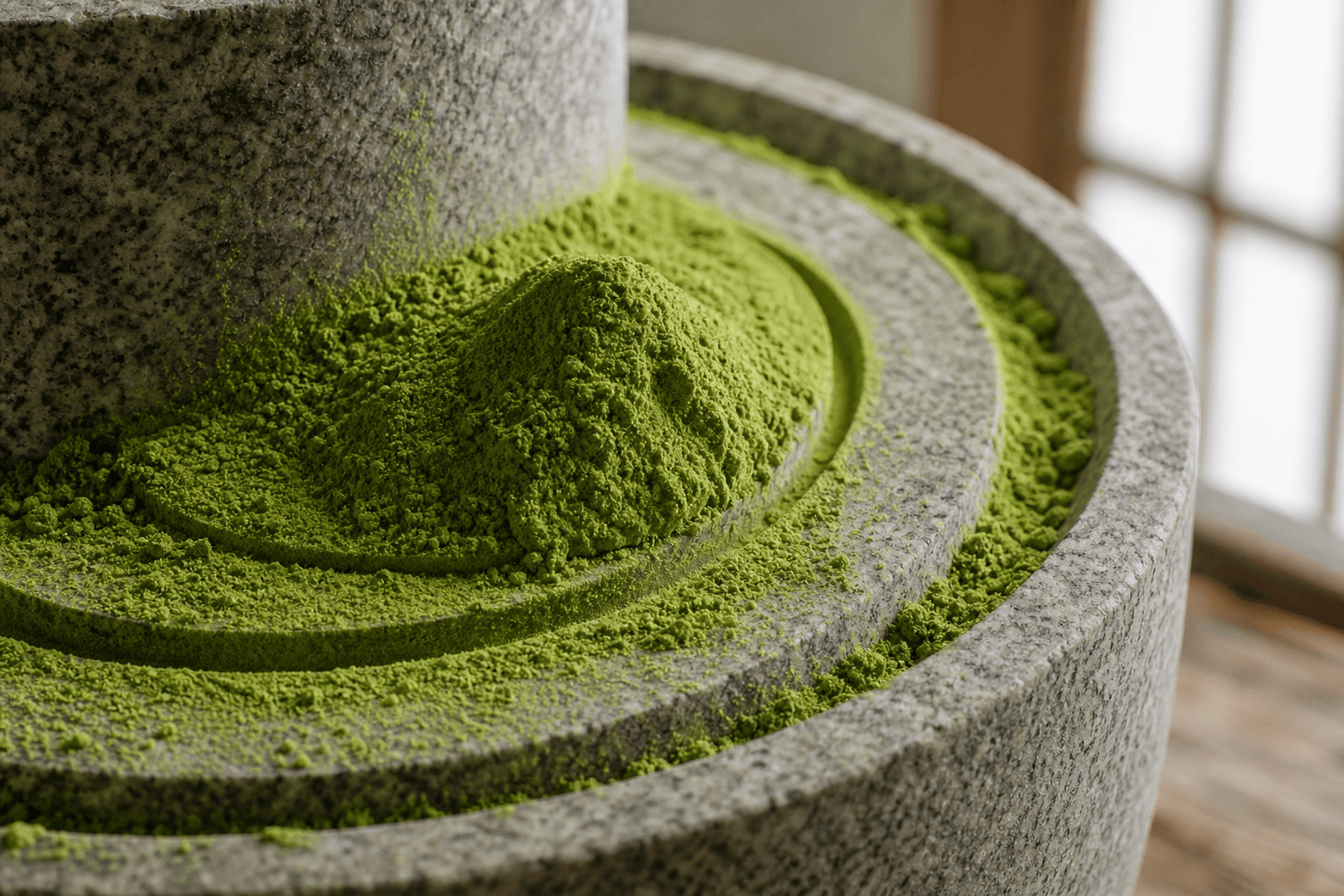
Freshly stone-milled vivid matcha powder spilling from the grooves of a granite mill
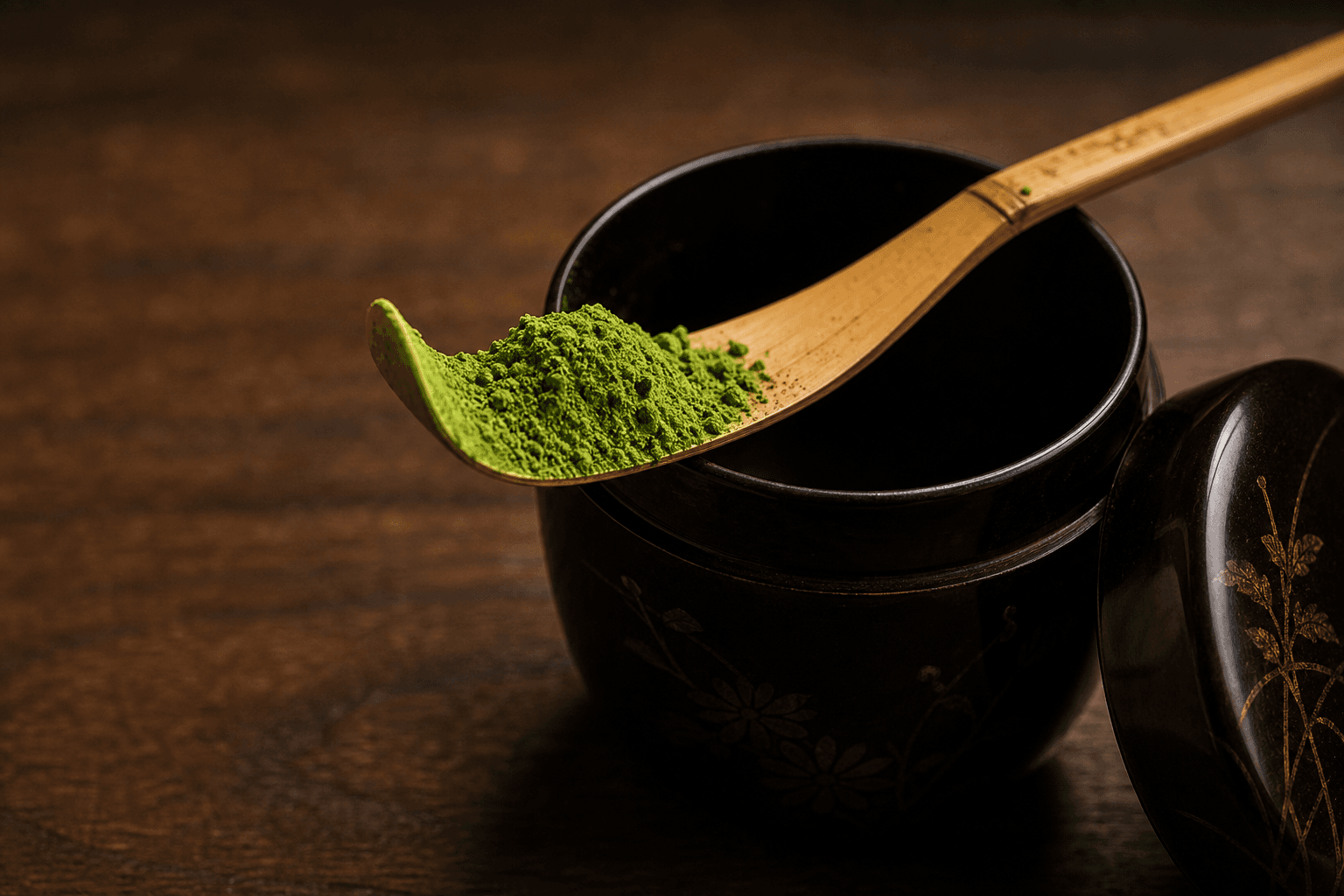
A bamboo chashaku heaped with matcha powder resting across a lacquer tea caddy
All 7 articles
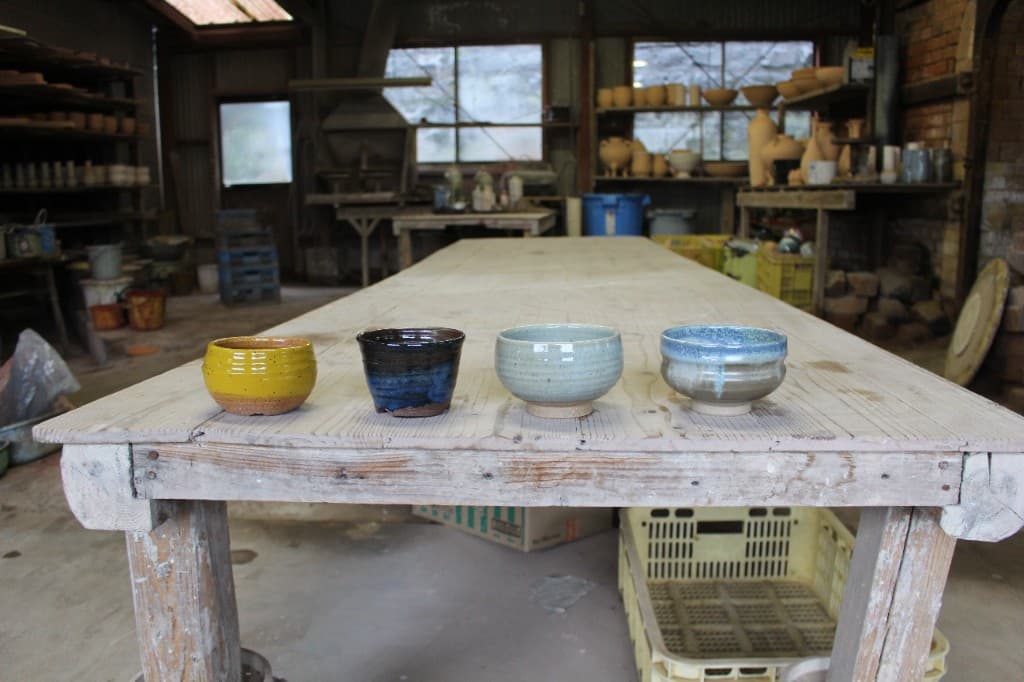
Saga pottery and an Arita workshop — a field note on matcha bowls
Field Notes8 min · 2026-06-24
A field note from our visit to a kiln making Arita ware in Arita, Saga, as Shojuen prepares to offer matcha bowls — Arita ware set among Saga's porcelain traditions of Imari and Hasami, and the kiln owner's view of ware as color in daily life, with the story of the pieces named 2020 and 2021.
Ureshino kamairi matcha — forty years of the craftsman's eye, and a harvest worth waiting for
Field Notes6 min · 2026-06-20
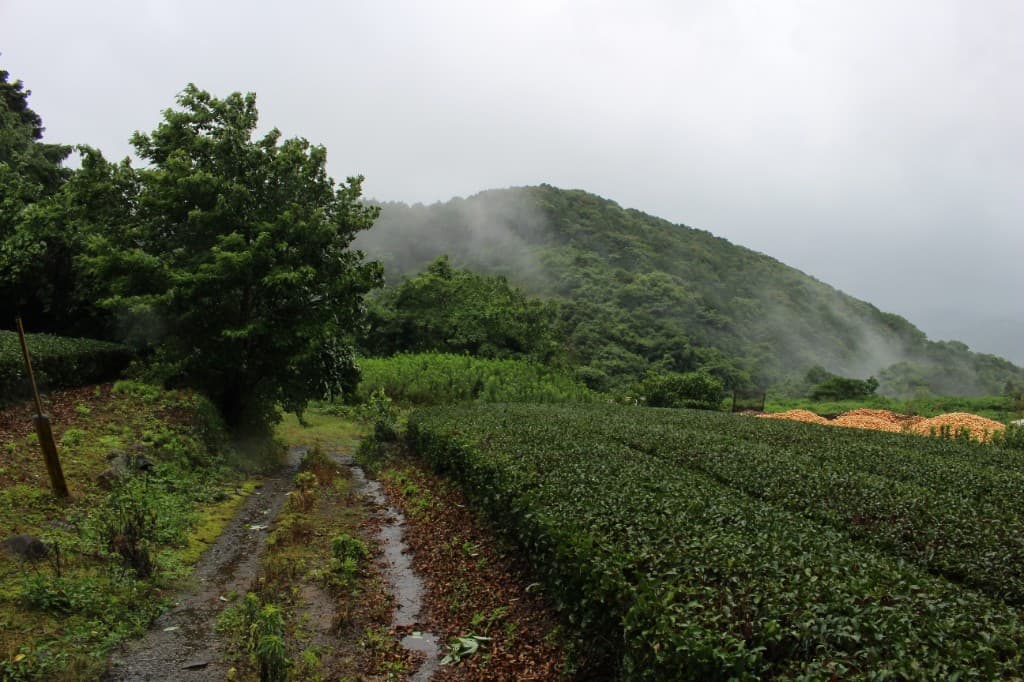
Steaming dominates today, yet only three makers in Ureshino still pan-fire their matcha. A field note from a visit to a master who has watched the balance of moisture and heat for over forty years — and called this year the best in three decades.
Origin & Growing14 min · 2026-04-01
How many layers of black shade cloth, the southern opening, and the photon flux density that shifts at the boundary with open-field rows. Rather than shading all at once, we organize the field's criteria for drawing out greenness in stages, alongside garden logs.
Cultivar & Processing11 min · 2026-03-22
Grown on Aichi's flat tea fields, Gokou takes on a distinctive flower-pistil-like aroma when, after shading, the steaming step heats the leaf evenly to its core. We read the correspondence between its amino-acid profile and volatile compounds from the angles of tasting and headspace analysis.
Tencha & Science10 min · 2026-03-15
Faster rotation raises the fine-powder ratio, but excess friction heat blows off aroma. We examine the groove depth of the granite mills used on site and the meaning of the 'mill's growl' that masters listen for, from the perspective of particle-size distribution.
Tea Ceremony & Extraction9 min · 2026-03-08
Koicha is high in viscosity and solids, so the chasen's motion is closer to 'loosening.' In usucha, by contrast, fine foam becomes one with the texture of umami. From measured notes in the tea room: the interplay of the chasen's prong count and stiffness with water hardness.
Culture & Etiquette8 min · 2026-02-28
Not whether it's right to place a kobukusa and a glass chawan in the same seat, but how to design the contrast between a vessel's texture and matcha's deep green as a visual cue to ease a guest's tension — from the field of modern cha-kaiseki.